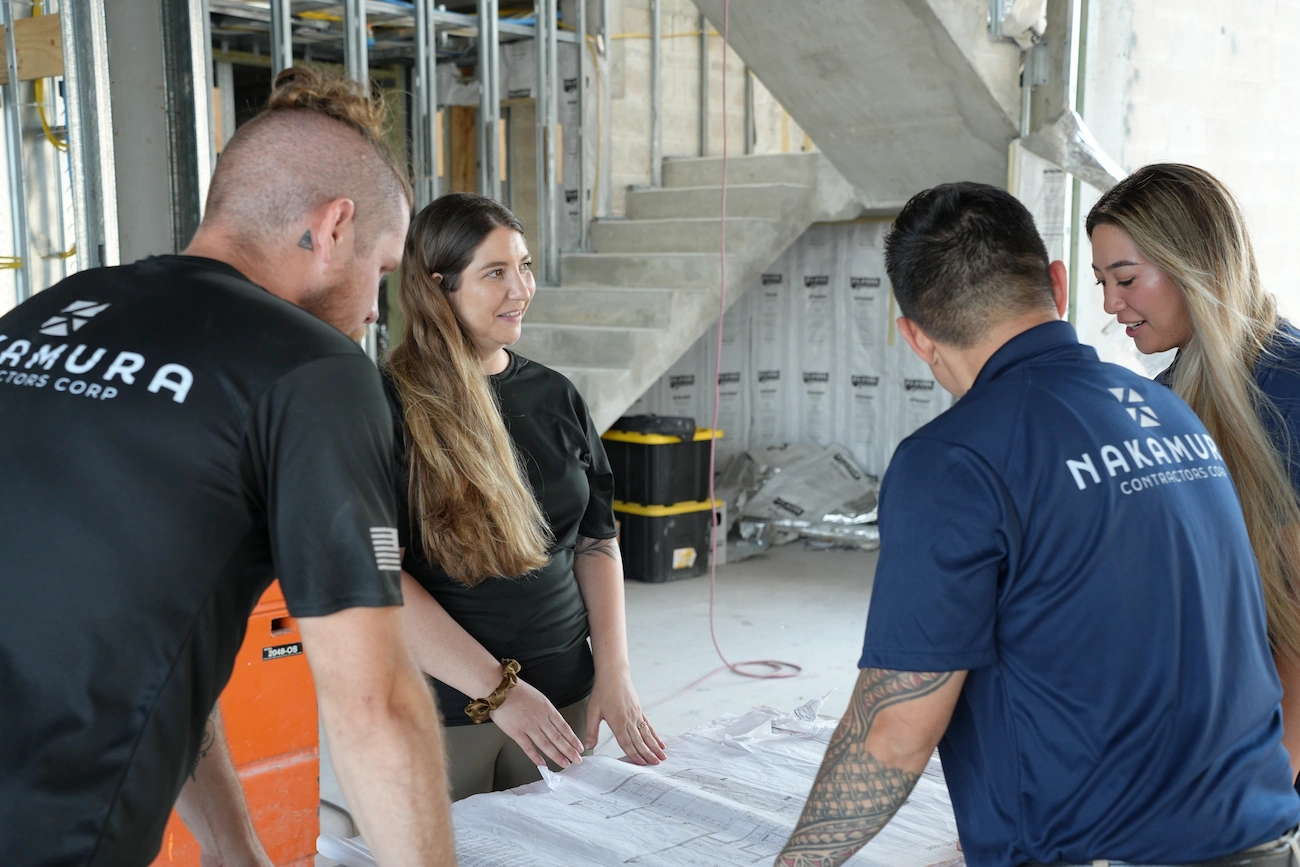
The cost to remodel a house is not one figure waiting to be looked up. It is the sum of a few decisions you have not made yet, and until those decisions exist, any number attached to them is someone guessing on your behalf. How much of the house is in scope, whether walls move, what condition sits behind the drywall, how far the finishes go, and what the building department requires. Change any one of those and the total moves with it. Nakamura Contractors builds and rebuilds Florida homes with one in-house team running the project from the survey through the final paint, under Florida license CBC-1268079, and the full scope of what a remodel can include is on our Services page.
What Drives the Cost to Remodel a House
Five variables do most of the work. The first is how much of the house is actually in scope, which is a different question from square footage. A whole-house remodel that touches every room carries more trades, more coordination and more permit activity than a large single-room project.
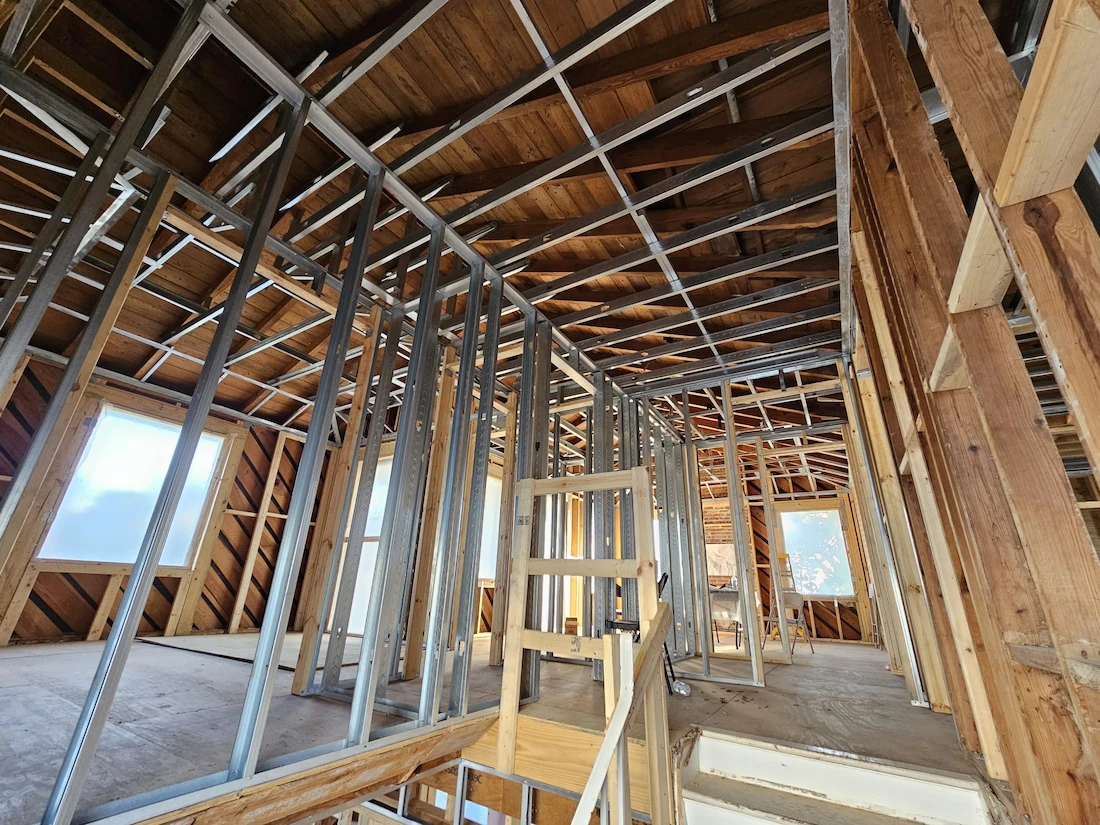
The second is whether anything structural changes. Opening a wall between a kitchen and a living area is a framing and load question before it is a design one. The third is the condition of what already exists, and this is the variable nobody can price from a photograph. Older South Florida homes turn up plumbing that predates current code, framing a previous owner modified, and electrical that was extended rather than replaced.
The fourth is the finish level, which is where the same room can land in two very different places depending on cabinetry, tile, countertops and lighting. The fifth is permitting and inspections, which we handle in-house as contractor of record rather than leaving them to you.
The Cost Concentrates Room by Room
Whole-house totals are built from rooms, and the rooms are not equal. Kitchens and bathrooms carry the highest density of trades per square foot, because plumbing, electrical, cabinetry, countertops, tile and lighting all land in one small footprint. Anyone pricing a kitchen remodel cost or a bathroom remodel cost is really pricing a coordination problem, which is why those two rooms deserve their own scope conversation. Our Kitchens and Bathrooms pages set out what each one covers.
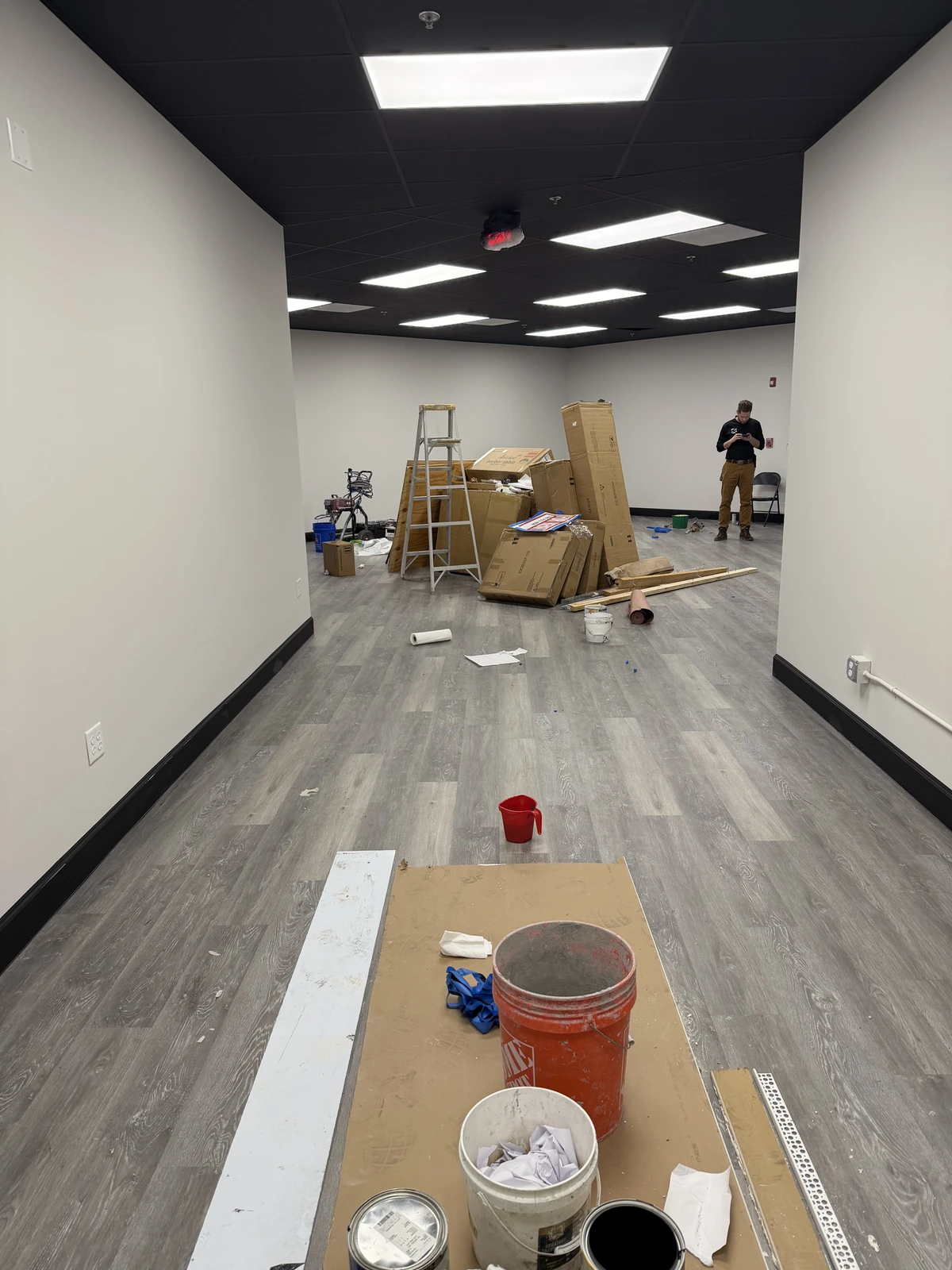
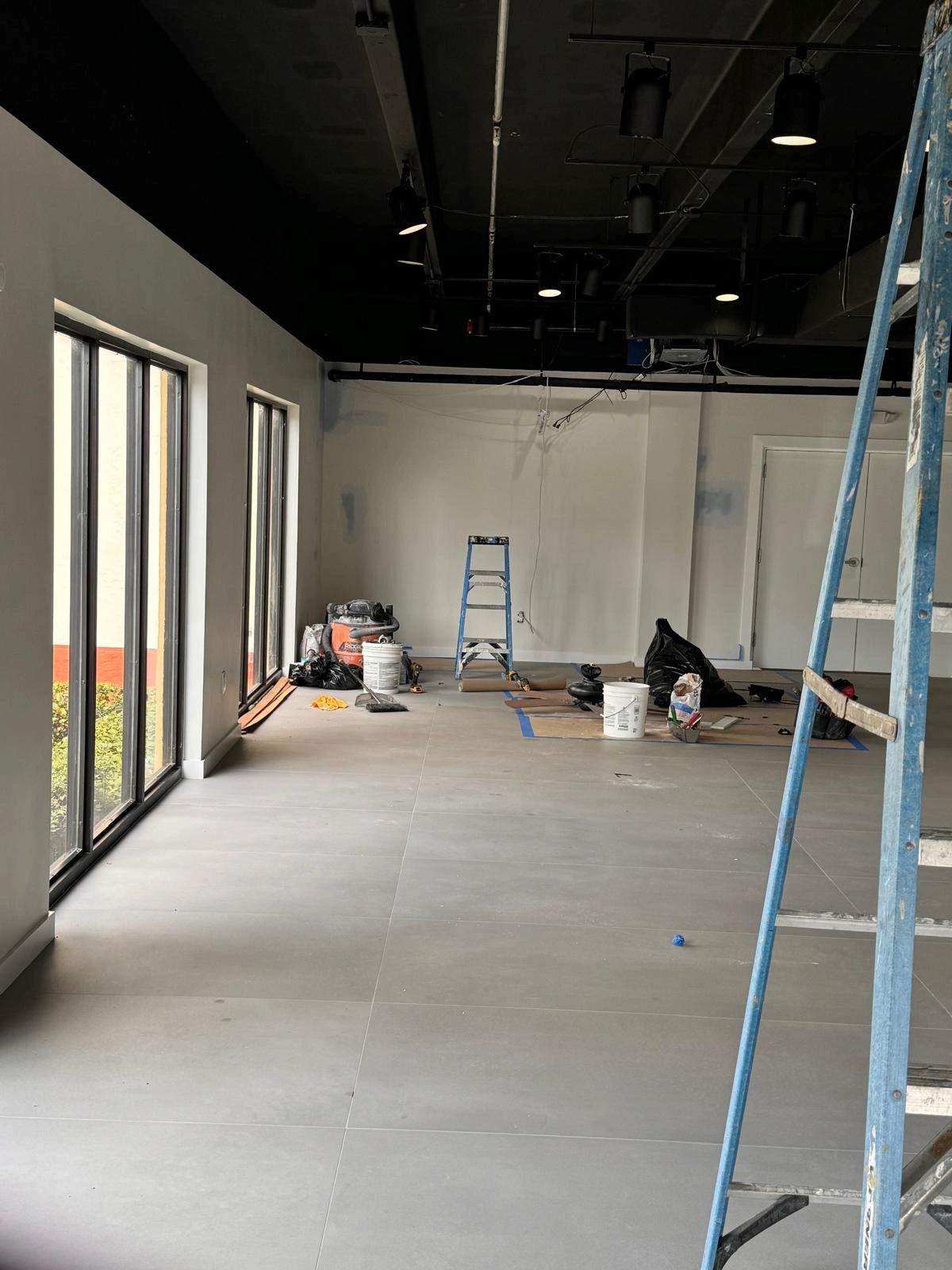
Adding square footage behaves differently again. A home addition cost includes foundation, framing, roof tie-in and mechanicals that an interior remodel never touches. At the other end of the range sit the finish trades, where an interior painting cost or a drywall repair cost is driven by surface area and preparation rather than by trade count. Our painting work includes eco-friendly low-VOC options, and framing and drywall are where Edson Nakamura started his career, still handled in-house.
All at Once or in Phases Changes the Total
Two identical scopes can carry different totals depending on sequencing. Doing the whole house at once means one mobilization, one permit cycle where the work allows it, and one continuous trade schedule. It also means living elsewhere, or living in a construction site.
Phasing spreads the decision over time and lets you fund it room by room. What it adds is repetition, because each phase re-mobilizes crews and may re-open the same permit conversation. There is a real case for either approach, and it should be an explicit choice made before pricing rather than a default. Whichever you choose, every licensed trade runs under one general contractor contract, and our three residential promises hold: one in-house team from survey to keys, detailing built for the South Florida climate, and work finished by hand, room by room.
What South Florida Adds to a Remodel
Climate is a cost variable here in a way it is not elsewhere. Material selection, detailing and moisture management all have to answer to the environment, which is why our residential detailing is specified for South Florida conditions rather than borrowed from a generic plan set.
Jurisdiction matters too. We work across Palm Beach, Martin and St. Lucie counties, and permit requirements and inspection sequencing are not identical between them. A remodel in Stuart and one in Boca Raton can follow different paths to the same finished room. Michael Young, writing about a whole-home renovation on our site, described the part that does not appear in any estimate: “They showed up when they said they would, and delivered outstanding craftsmanship. They treated our home with respect, kept the work area clean.” Completed residential work is in our Portfolio, and the multi-room Coastal Club build sits in our Designer Projects gallery.
Getting a Real Number for the Cost to Remodel a House
The honest path to the cost to remodel a house runs backwards from the one figure everyone wants: decide the scope, settle the structural questions, choose the finish level, then let those decisions produce the number. That is what a walkthrough is for, and estimates are free on every project, residential and commercial. We work throughout Stuart, West Palm Beach, Delray Beach and Boca Raton, with our office at 3159 SE Lionel Terrace Unit B, Stuart, FL 34997, open Monday through Friday from 8:00 AM to 7:00 PM and Saturday from 8:00 AM to 4:30 PM, closed Sunday. Call (772) 278-1667, email contact@nakamuracontractors.com, or start through our Contact page and we will walk the house with you first.
Frequently Asked Questions
How much does it cost to remodel a house?
It depends on five things: how much of the house is in scope, whether anything structural changes, the condition of what is already there, the finish level you choose, and what permitting the work requires. The third one is why we walk the house before producing a figure, because plumbing, framing and electrical behind the drywall cannot be priced from a photograph. Estimates are free on every project, and the full scope of what we can include is on our Services page.
Should I remodel the whole house at once or in phases?
Both are valid, and the difference is mostly sequencing. All at once means one mobilization, one permit cycle where the work allows it, and one continuous trade schedule, but you are living elsewhere or living in a construction site. Phasing lets you fund the project room by room, with each phase re-mobilizing crews and possibly re-opening the same permit conversation. Decide it deliberately before pricing rather than by default.
What usually turns up once demolition starts?
In older South Florida homes, three things recur: plumbing that predates current code, framing a previous owner modified without permits, and electrical that was extended rather than replaced. None of them are visible during a walkthrough, which is why scope conversations should name who investigates what and when. Finding them early is far less disruptive than finding them after finishes are ordered.
Do you remodel whole houses, or only individual rooms?
Both, plus new construction and home additions. Our residential work spans custom homes, complete interior remodels, additions, kitchen and bathroom renovations, framing and drywall, flooring and finishes, and interior painting. About 70% of what we do is residential and 30% commercial, all under Florida license CBC-1268079 across Palm Beach, Martin and St. Lucie counties.
Which rooms should I prioritize if I cannot do the whole house?
Kitchens and bathrooms concentrate the most trades in the smallest footprint, so they carry the most coordination and benefit most from being done properly the first time. Finish work like painting and drywall is driven by surface area and preparation, which makes it easier to phase later. Bring us the whole house on the walkthrough even if you only plan to build part of it, so the sequencing works in your favor. Completed projects are in our Portfolio.