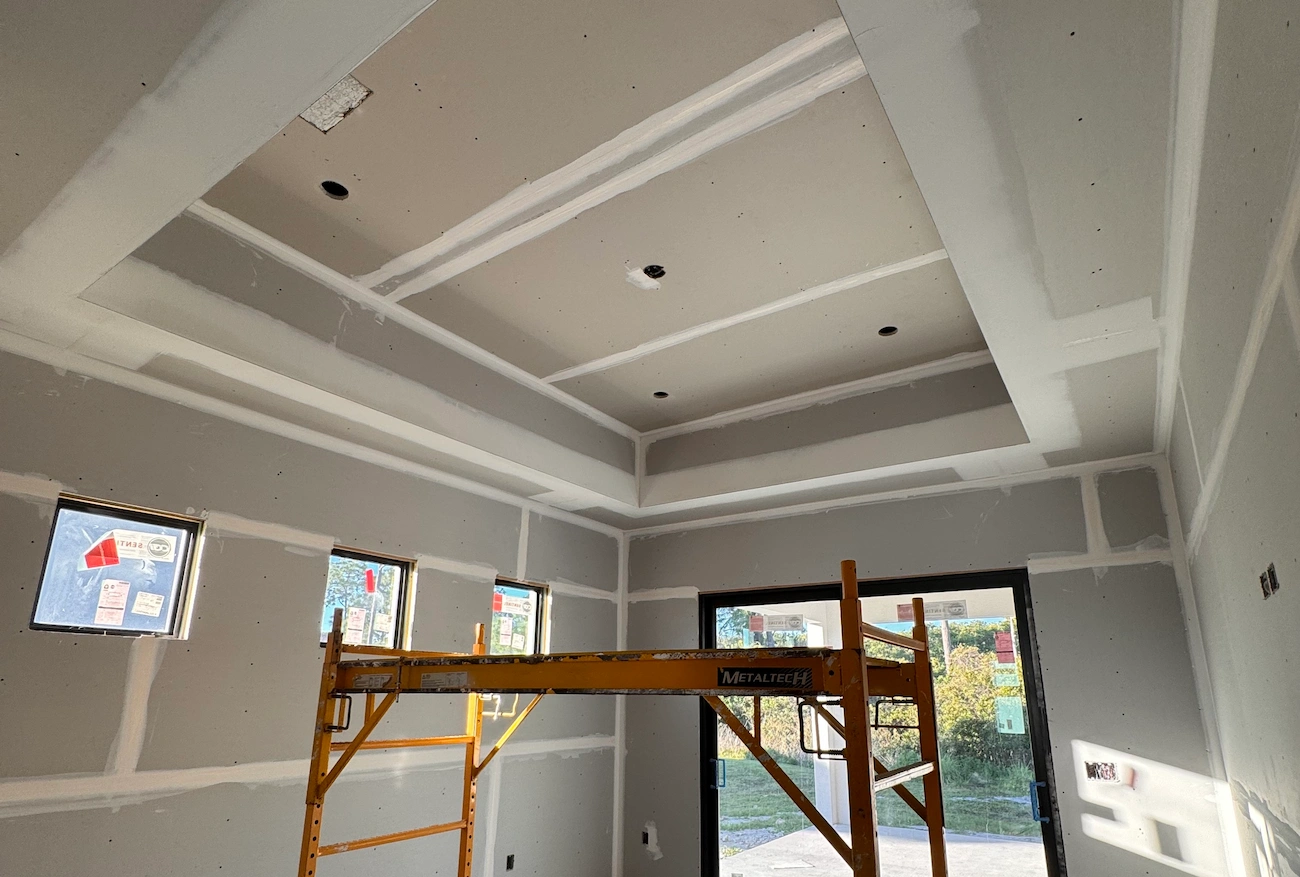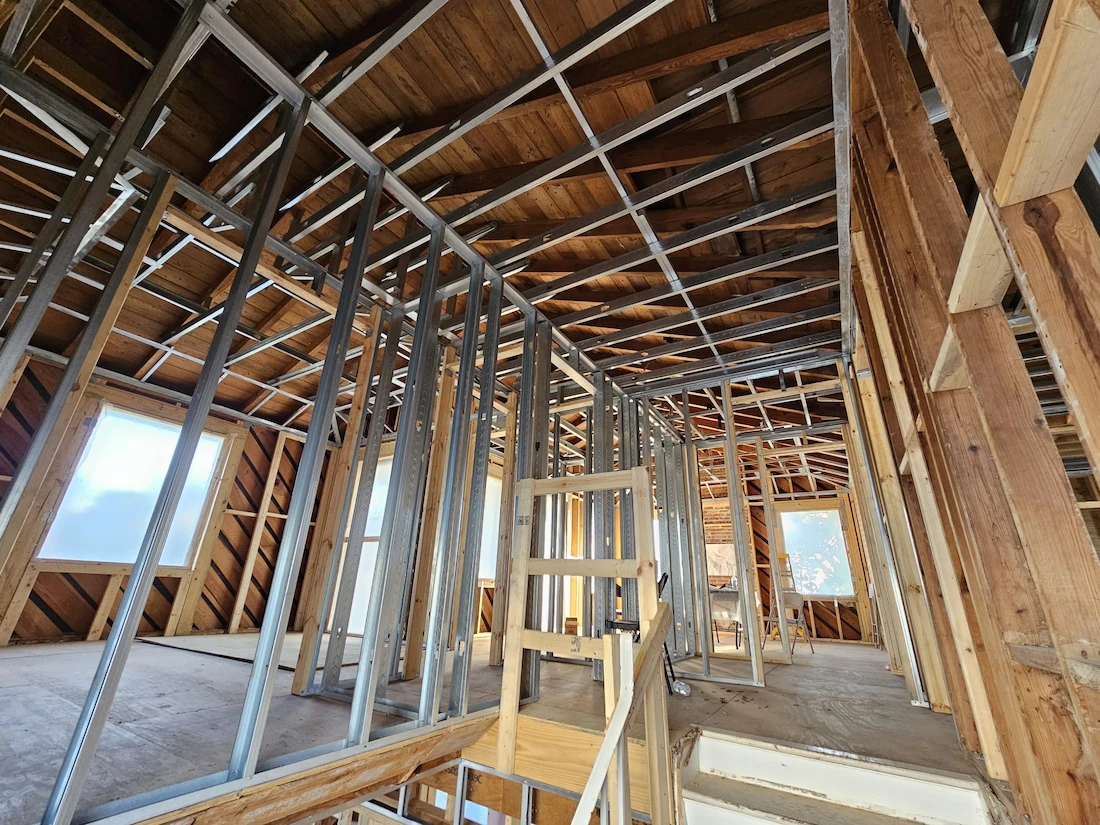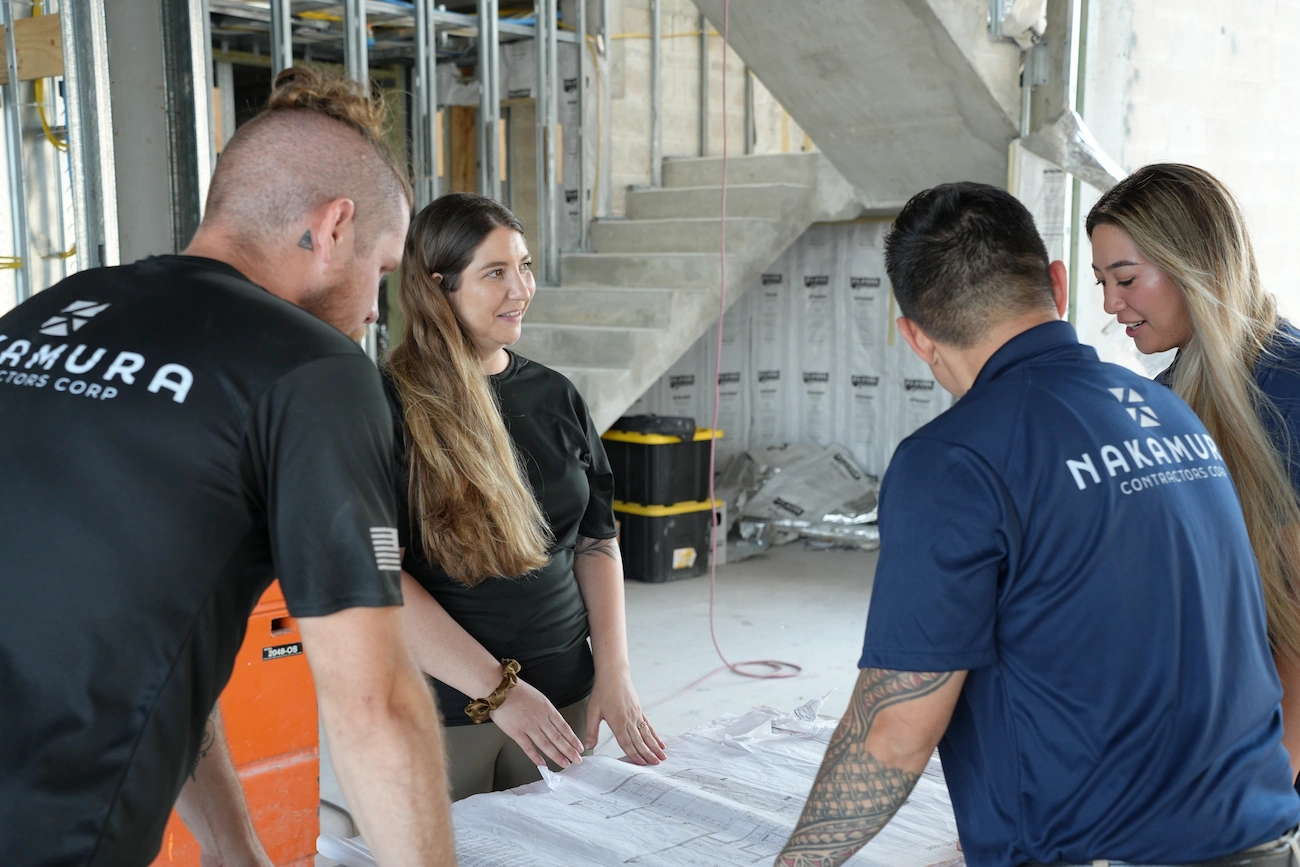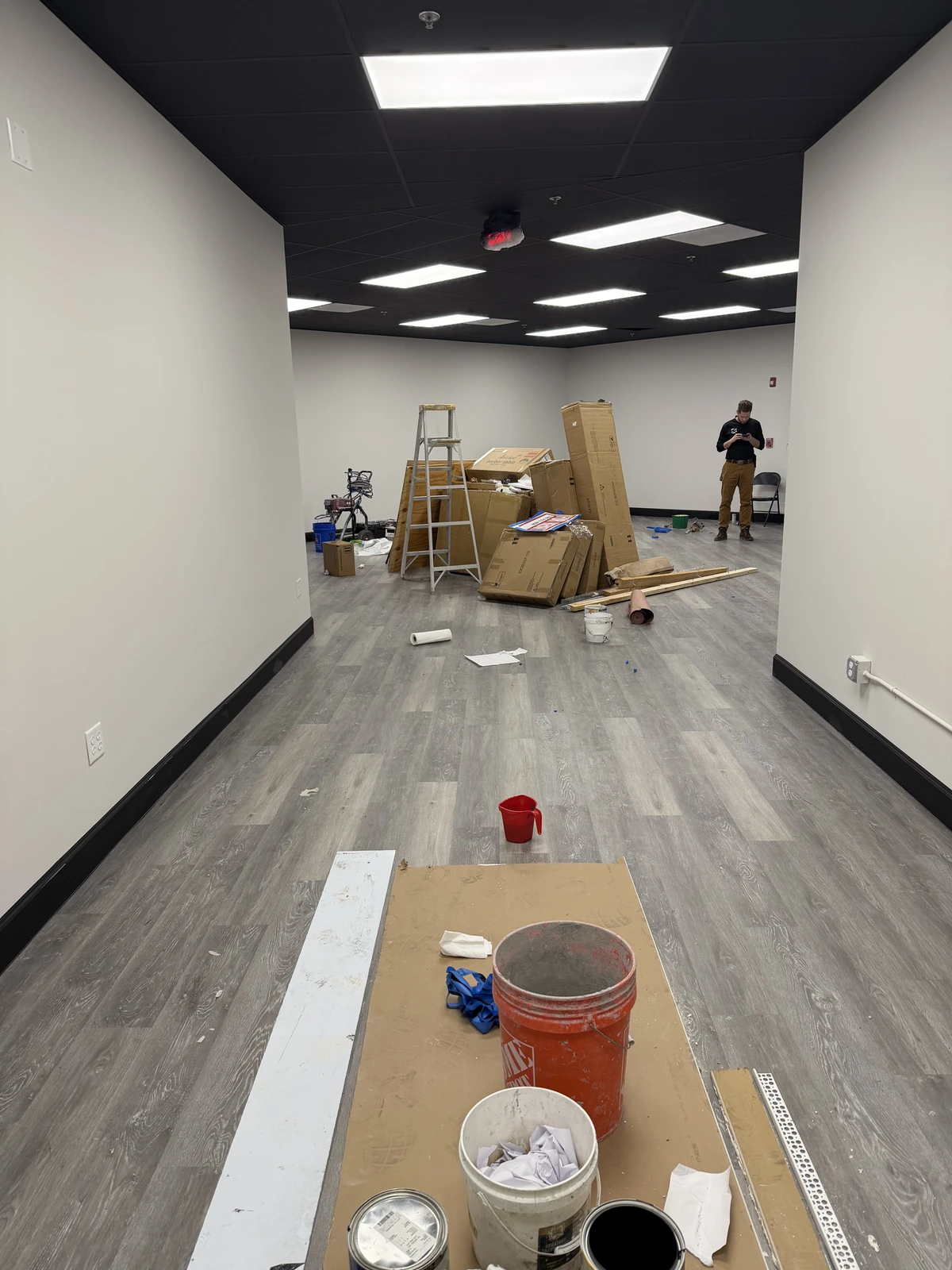
Every restaurant construction project is measured against a single date. Not substantial completion, not the punch-list — the day the doors open, staff are on payroll, and the first ticket prints. Rent has usually been running for months by then. Our commercial page asks incoming clients for three things before anything else: the shell, the operator, and the opening date. That order is deliberate, and it is the whole difference between a general contractor who builds a space and one who delivers a business. Nakamura Contractors is a Florida Certified Building Contractor, license CBC-1268079, and the full scope sits on our Services page.
Why Restaurant Construction Is Several Projects at Once
A restaurant is not one building problem. It is three or four sharing a footprint, and they answer to different rules. Back of house is a mechanical and code exercise. Front of house is a finish and millwork exercise. A bar is its own trade problem. And any space with production equipment adds a fourth layer entirely.
Our Frazier Creek Brewing & Distilling build is a clear illustration. That single project delivered a taproom with brewing tanks at the back, a bar with a dark ornate ceiling and crystal chandeliers, a café-style seating area with a long counter and large windows, and a small performance stage with exposed beams over polished concrete. Four distinct construction problems, one certificate of occupancy, one opening date. Coordinating that under separate contracts is where schedules come apart, which is why our commercial work runs as one in-house team from permit to punch-list.
The Opening Date Is the Only Deadline That Counts
Our commitment on scheduling is stated plainly: every trade is scheduled around your opening date, not the convenience of the general contractor. We hold the calendar, plan the lead times, and report against the date that matters.
That distinction sounds like semantics until you have hired a kitchen crew for a date that slips. In restaurant work the opening date has already been spent before construction finishes — staff hired, inventory ordered, soft-launch invitations sent, marketing booked against a week that cannot move quietly. A schedule built around trade availability rather than that date pushes all of the cost onto the operator. Schedules protected end to end is a commitment we make because the alternative is a bill the client absorbs alone.
Permits, Inspections, and the Document That Actually Opens the Doors
No restaurant opens on a finished build. It opens on a certificate of occupancy, and everything upstream exists to produce that document. Our position on this is unambiguous: permits pulled, every municipal inspection coordinated, certificate of occupancy delivered. The building department is our job, not yours.
We work across Palm Beach, Martin and St. Lucie counties, and drawings account for code from the permit set forward rather than being corrected at inspection. For an operator, the practical value is not the paperwork itself — it is not spending the final month of a build chasing a municipal calendar while trying to hire a kitchen.
Finishes Are the Brand, and They Get Installed as Drawn
In hospitality the finish schedule is not decoration, it is the concept. A room that reads slightly wrong is a marketing problem the operator pays for indefinitely. Our standard is that finishes are installed as drawn — the brand spec, the material spec, the millwork detail — not interpreted by whoever is holding the tool.
Frazier Creek shows what that means in practice: green accent walls, rustic wood paneling, exposed beams, polished concrete, a glossy wooden bar counter, chandeliers against a dark ceiling. None of that survives a build where specification is treated as a suggestion. Custom commercial millwork sits inside our own scope alongside framing and drywall, flooring and finishes, interior painting and full layout reconfiguration, which keeps the detail with the team accountable for it. More completed work is on our Portfolio.
Starting a Restaurant Construction Project on the Treasure Coast
One more thing belongs in the first conversation. A layout can satisfy code and still be miserable to work — service paths that cross, a bar with no landing space, a dish pit backing into the only route to the walk-in. Those drawings pass inspection and then cost the operator labor every night for the life of the lease, which is why we want the person running the room in the conversation before the walls are set. Commercial construction is roughly 30% of our work, and that steady exposure to operating spaces is where the instinct comes from.
The sequence we recommend is simple. Bring us the shell, the operator and the target opening date, and we work backwards from there through permits, lead times and trade sequencing. We deliver tenant improvements and commercial fit-outs with one in-house team running the build from permits to punch-list, and hand over the keys ready to open. We serve Stuart, Palm City, Jensen Beach and Jupiter among other Treasure Coast and South Florida communities, all under license CBC-1268079 with Nakamura as contractor of record. Estimates are free — call (772) 278-1667, email contact@nakamuracontractors.com, or start through our Contact page. Every restaurant construction conversation here starts the same way: tell us the opening date first, because everything else is scheduling.
Frequently Asked Questions
What makes restaurant construction different from other commercial builds?
A restaurant combines several construction problems in one footprint — a code and mechanical-heavy back of house, a finish and millwork-driven front of house, a bar, and sometimes production equipment. Our Frazier Creek Brewing & Distilling project delivered a taproom with brewing tanks, a chandeliered bar, a café seating area and a performance stage under one certificate of occupancy. Coordinating those under separate contracts is where schedules break.
Who handles the permits and inspections?
We do. Permits pulled, every municipal inspection coordinated, and the certificate of occupancy delivered — the building department is our job, not yours. We work across Palm Beach, Martin and St. Lucie counties, and drawings account for code from the permit set forward rather than being corrected at inspection.
How is the construction schedule built?
Backwards from your opening date. Every trade is scheduled around that date rather than around the general contractor’s convenience — we hold the calendar, plan the lead times, and report against the date that matters. In restaurant work the opening date is already committed through staff, inventory and marketing before the build ends, so it is the only fixed point worth planning against.
Is Nakamura licensed for commercial restaurant work?
Yes. CBC-1268079 is a Florida Certified Building Contractor license, and every project — residential or commercial — is built under it with Nakamura as contractor of record. Commercial construction is roughly 30% of our work, across 500+ completed projects in 14+ years.
What is included in your commercial scope?
Tenant interior fit-outs, structural framing and drywall, flooring and finishes, custom commercial millwork, interior painting, and full layout reconfiguration. One in-house team runs the build from permits to punch-list. For an estimate, call (772) 278-1667 or use the free estimate form on our contact page.