The question “what does a general contractor do?” comes up most often when someone is planning a significant construction or renovation project for the first time. The short answer — they manage the project — doesn’t capture what that actually involves. A general contractor is the professional who translates a vision, a budget, and a timeline into a finished structure. Every trade, every permit, every material order, every inspection flows through them. When the process works, the project moves forward predictably and the finished result matches what was planned. When it doesn’t, the gaps show up in delays, cost overruns, and quality problems that are expensive to correct.
Understanding what a general contractor actually does — from the first planning conversation to the final walkthrough — is what helps homeowners and business owners in South Florida ask the right questions before committing to any project or any contractor.
Nakamura Contractors Corp has completed 500+ residential and commercial projects across the Treasure Coast and South Florida, and the following guide reflects how the general contractor role works in practice — including how Nakamura’s team manages it.
What a General Contractor Does Before Construction Starts — The Pre-Construction Phase
Most people think the general contractor’s work begins when tools arrive on site. In reality, the pre-construction phase — what happens before any physical work starts — is where the project outcome is largely determined.
Pre-construction starts with scope definition. The general contractor reviews the project goals, evaluates the existing structure or site, and works with the client to establish exactly what will be done, how, and to what standard. For projects that involve design, this phase includes collaboration with an interior designer or architect. At Nakamura Contractors, this is where interior designer Taylor Fowler-Nakamura contributes to kitchen and bathroom renovation planning, bringing NKBA award-winning design thinking into the project before a single cabinet is ordered.
Permit procurement follows. A qualified general contractor identifies which permits are required for the project — structural, electrical, plumbing, mechanical — and files the applications with the appropriate local authorities. In Florida, this process varies by county and project type, and skipping permits to save time creates serious problems at resale or inspection. A licensed general contractor handles this as a matter of standard practice.
Material sourcing, subcontractor scheduling, and budget finalization all happen in this phase as well. By the time construction begins, a well-run general contractor has already confirmed material lead times, locked in trade schedules, and aligned the budget against actual vendor quotes — not estimates from memory.
Explore the full scope of residential and commercial services Nakamura Contractors manages from pre-construction through completion.
What a General Contractor Does During Construction — Day-to-Day Site Management
Once construction begins, the general contractor’s role becomes coordination and quality control — running the job site so that every trade arrives in the right order, does their work correctly, and hands off cleanly to the next one.
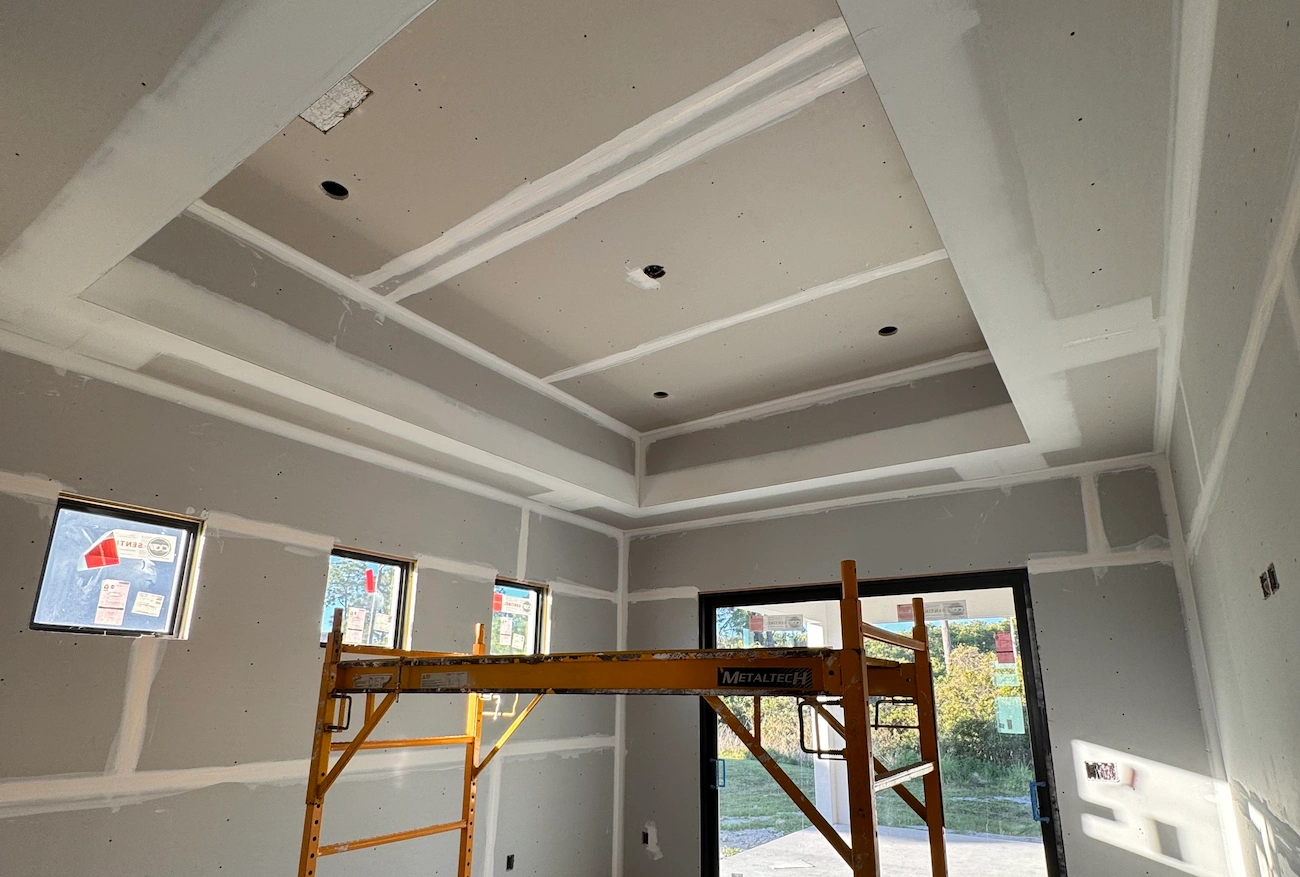
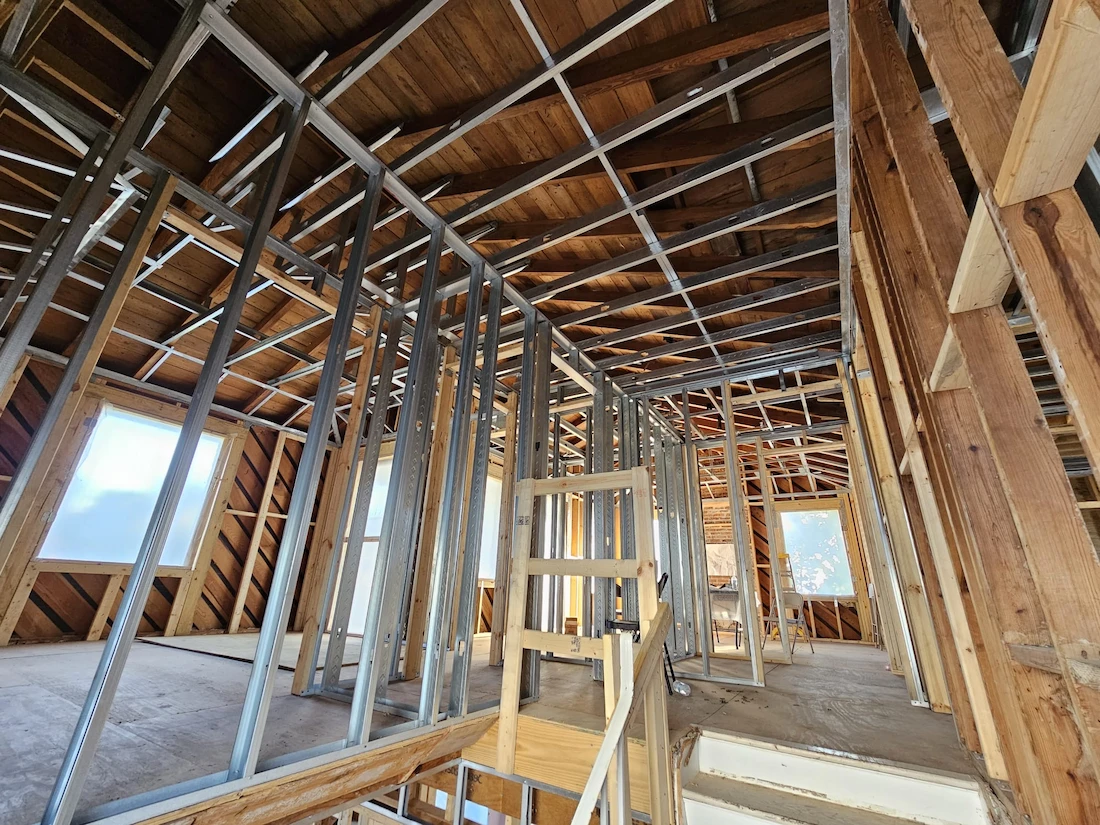
The sequencing matters more than most clients realize. Framing must be complete before electrical rough-in. Rough-in must be inspected and closed before drywall. Drywall must be finished before paint. Paint must be done before cabinet installation. If any trade runs late or does work that needs to be redone, it pushes everything downstream. The general contractor tracks these dependencies and manages them proactively — not reactively after delays have already compounded.
Day-to-day site management also includes quality control: verifying that work meets the specification, catching errors before they’re buried inside walls or under flooring, and ensuring subcontractors meet the standards required to move the project forward. Job-site cleanliness and safety are also the general contractor’s responsibility — both because they affect the work environment and because they protect the property and the people on it.
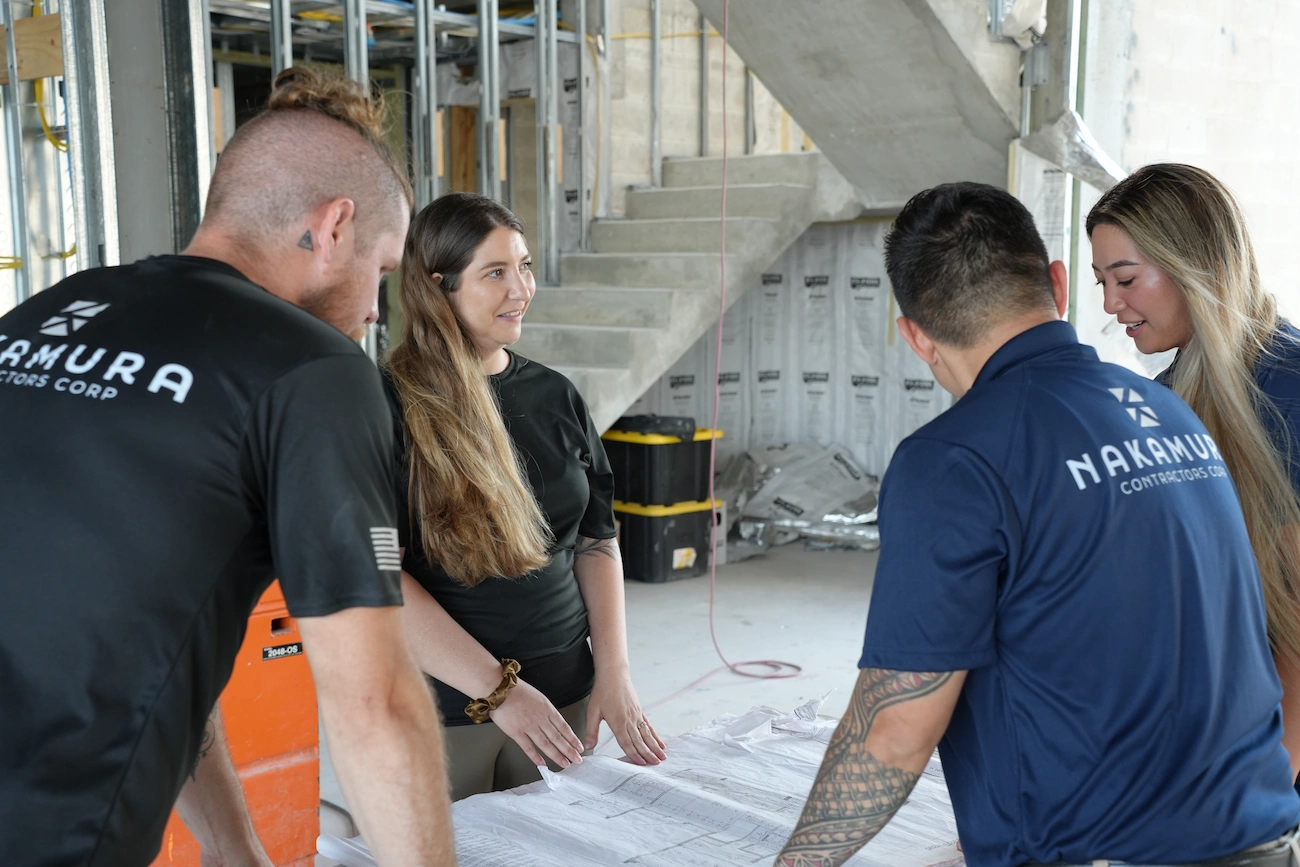
Client communication is a formal part of the role. At Nakamura Contractors Corp, project management is handled by Stephen O’Dell, who specializes in planning, resource allocation, and keeping clients informed at every stage — not just when problems arise.
General Contractor vs. Subcontractor — What the Difference Means for Your Project
A common source of confusion is the distinction between a general contractor and the tradespeople who perform the actual construction work. A subcontractor — the electrician, the plumber, the drywall installer, the tile setter — specializes in one trade and performs the physical work in that discipline. The general contractor oversees all of them.
When you hire a general contractor, you have a single point of accountability. The GC is responsible for the work of every subcontractor they bring onto your project. If the tile work doesn’t meet standard, or the plumber’s schedule slips and delays the drywall, the general contractor is the party responsible for resolving it — not the homeowner, who may not even know which subcontractor caused the problem.
The alternative — hiring and managing subcontractors directly as a homeowner — places that coordination burden on you. You become responsible for scheduling, quality verification, sequencing conflicts, and resolving disputes between trades. Most homeowners underestimate how quickly this becomes a full-time management job, and how much the lack of a single accountable party affects the project’s cost and timeline.
At Nakamura Contractors Corp, every subcontractor in the network — electricians, plumbers, drywall specialists, flooring installers, countertop fabricators, glass professionals — is required to be licensed and insured before working on any project. This requirement extends Nakamura’s quality standard to every trade on every job site.
Residential and Commercial General Contractor Work — How the Role Differs
The core responsibilities of a general contractor are consistent across residential and commercial projects — planning, permitting, coordination, and quality control. But the operational context differs in meaningful ways.
Residential projects center on the homeowner’s experience: matching the design vision, managing communication with a client who is often living in or near the active work zone, and delivering a result that functions as a home. Permitting follows residential building codes, and the timeline is typically structured around the homeowner’s schedule and expectations.
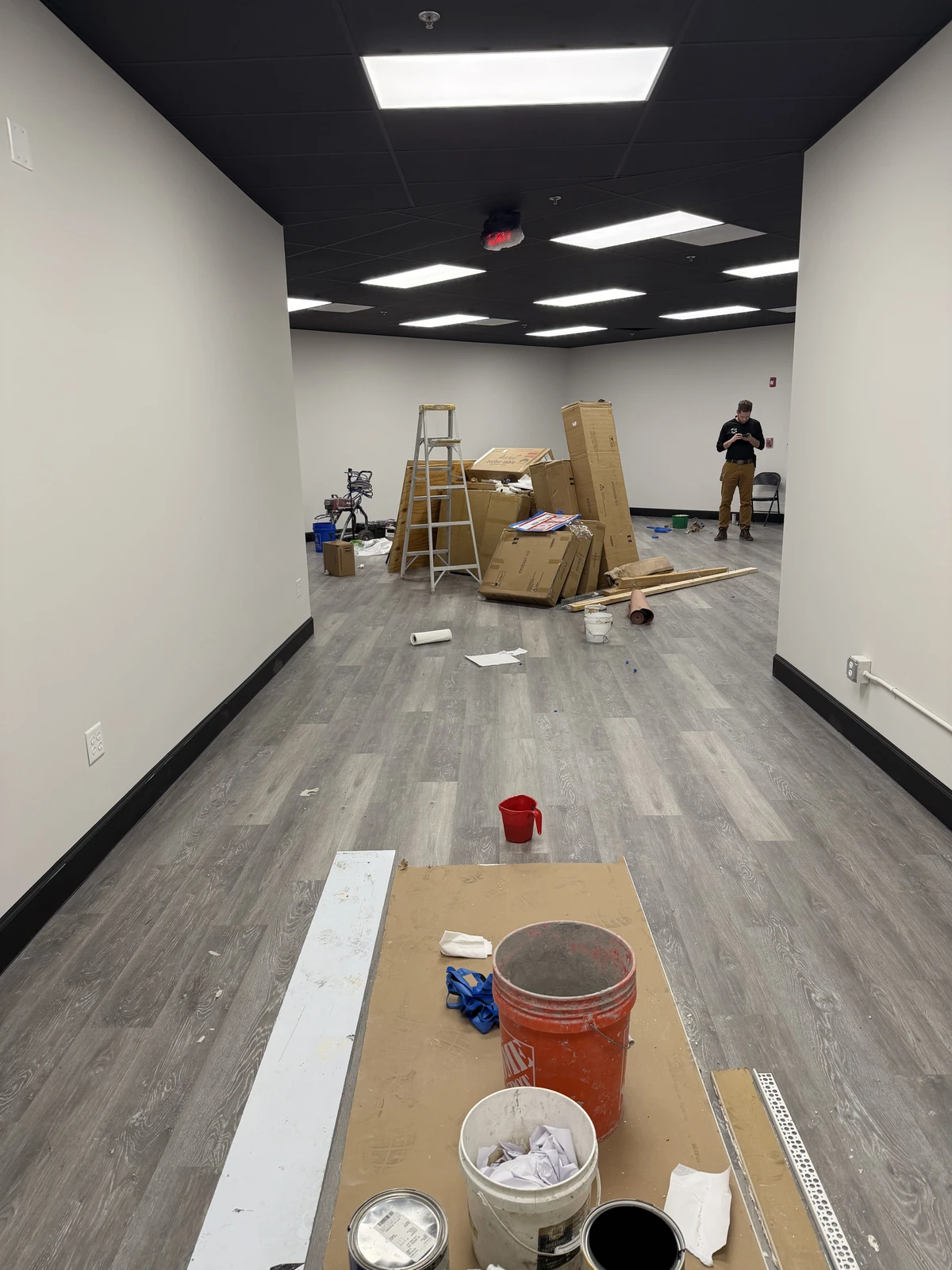
Commercial projects introduce a different set of pressures. Building codes for commercial spaces are distinct from residential standards, and compliance requirements are more stringent — particularly for tenant improvements and new construction. The timeline is driven by business operations: a commercial client opening a new location, relocating a business, or renovating an active space needs the project completed by a specific date, with minimal disruption to ongoing operations. Delays have direct revenue consequences, not just inconvenience.
Nakamura Contractors Corp manages both contexts: a 70% residential and 30% commercial project split that reflects active operational experience in both markets. The commercial scope includes ground-up new construction, strategic remodeling of existing spaces, and tenant build-out for businesses entering new locations. Browse the completed project portfolio to see the range of finished work across residential and commercial categories.
What a General Contractor at Nakamura Contractors Does for South Florida Projects
Nakamura Contractors Corp applies the general contractor role across the full project lifecycle for homeowners and businesses in Port St. Lucie, Stuart, West Palm Beach, Delray Beach, and throughout South Florida — serving both residential clients who want their kitchens, bathrooms, and living spaces transformed, and commercial clients who need construction completed on a deadline that protects their business operations.
The team structure reflects the scope of what a GC must manage. Founder Edson Nakamura, a certified building contractor with 15+ years of experience and Florida license CBC-1268079, leads the company’s construction expertise. Stephen O’Dell handles project management — sequencing, communication, and timeline accountability across every active project. Interior designer Taylor Fowler-Nakamura contributes design planning to projects where the kitchen or bathroom design is as important as the construction execution.
Free estimates are available on all residential and commercial projects — no commitment required before you have a clear understanding of cost, timeline, and scope.
Contact the team through the contact page, call (772) 278-1667, or email contact@nakamuracontractors.com. For a clearer picture of what a general contractor does — and what Nakamura Contractors does specifically — explore the services page and the completed work in the project portfolio. The better you understand what the role covers, the better equipped you are to choose the right general contractor for your project in South Florida.
Frequently Asked Questions
What is the difference between a general contractor and a subcontractor?
A general contractor (GC) manages the entire construction project — planning, permitting, subcontractor coordination, quality control, and client communication. A subcontractor is a specialist in one trade (electrician, plumber, tile installer) who performs physical work in their discipline under the GC’s direction. When you hire a general contractor, you have one accountable party for the full project. Subcontractors answer to the GC, not directly to the homeowner or business owner.
What permits does a general contractor typically handle in Florida?
A licensed general contractor identifies and files all permits required for the project, which may include structural, electrical, plumbing, and mechanical permits depending on the scope of work. In Florida, permit requirements vary by county and project type. Nakamura Contractors Corp, holding Florida license CBC-1268079, handles permit procurement as a standard part of every residential and commercial project — ensuring all work is inspected and code-compliant before completion.
How does a general contractor manage multiple subcontractors on one project?
The general contractor sequences the trades in the correct construction order — framing, then rough-in electrical and plumbing, then inspection, then drywall, then finishing trades — and manages each subcontractor’s schedule against the overall project timeline. When one trade runs late or needs work corrected, the GC is responsible for resolving the issue and adjusting the schedule to minimize the downstream impact. This coordination is what homeowners and business owners cannot easily replicate when managing subcontractors directly.
What does a general contractor do when unexpected problems arise during construction?
Unexpected conditions — hidden moisture damage, structural issues, materials with long lead times, code conflicts between the existing structure and the planned work — are a normal part of construction. A qualified general contractor identifies these issues early, develops solutions, communicates them to the client with clear options and cost implications, and adjusts the project plan accordingly. At Nakamura Contractors, project manager Stephen O’Dell handles risk management and client communication throughout every active project.
How do I start a project with Nakamura Contractors in South Florida?
Contact the team through the contact page, call (772) 278-1667, or email contact@nakamuracontractors.com. Nakamura Contractors provides free estimates on all residential and commercial projects, starting with a consultation to understand the project scope, timeline, and goals. The team serves Port St. Lucie, Stuart, Jupiter, West Palm Beach, Delray Beach, and surrounding South Florida communities.